Published by Robert L Senior Reporter on Monday 7th April 2025 at 08:40hrs
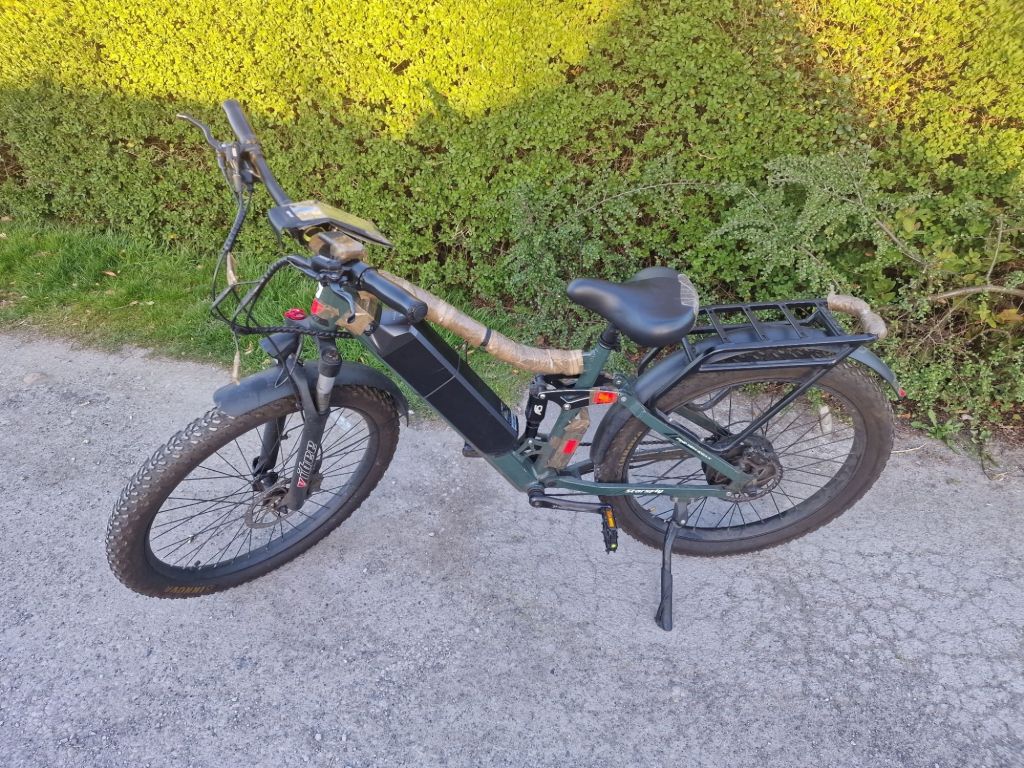
Authorities in Lancashire have seized a powerful electric bike after it was caught travelling at speeds exceeding 30mph without the rider pedaling.
The incident has raised serious concerns about the legality and safety of certain high-powered electric bikes being used on public roads.
The electric bike, reportedly being used for delivery services, was stopped by Lancs Road Police. Officers observed the bike travelling at a speed significantly higher than the legal limit for electric bikes that do not require a license or registration.
Upon inspection, it was discovered that the electric bike was capable of propulsion solely through its motor, exceeding the power and speed limitations for electrically assisted pedal cycles (EAPCs) under current UK law.
Furthermore, the rider was found to be unlicensed and the vehicle unregistered, as would be required for a moped or motorbike capable of such speeds.
This incident serves as a stark reminder of the importance of understanding and adhering to the regulations surrounding electric bikes.
Vehicles capable of these speeds fall under different classifications and require the appropriate licensing, registration, and insurance.”
Under UK law, an EAPC is typically limited to a maximum assisted speed of 15.5mph (25 km/h) and a maximum continuous rated power of 250 watts. Bikes exceeding these limits are legally considered to be mopeds or motorcycles and therefore require type approval, registration with the DVLA, a valid driving license, and appropriate insurance. Riders must also wear a helmet.
The seized electric bike clearly surpassed these EAPC limitations, effectively making it an illegal vehicle for use on public roads and cycle paths without the necessary documentation and rider qualifications.
Operating such vehicles illegally poses a significant risk to the rider, pedestrians, and other road users.
Members of the public who are unsure about the legal status of their electric bike are encouraged to consult the Gov.uk website for detailed information on vehicle classifications and regulations.
 G2K INCIDENT WATCH