Published by Robert L Senior Reporter on Friday, 12th July 2024 at 21:30hrs
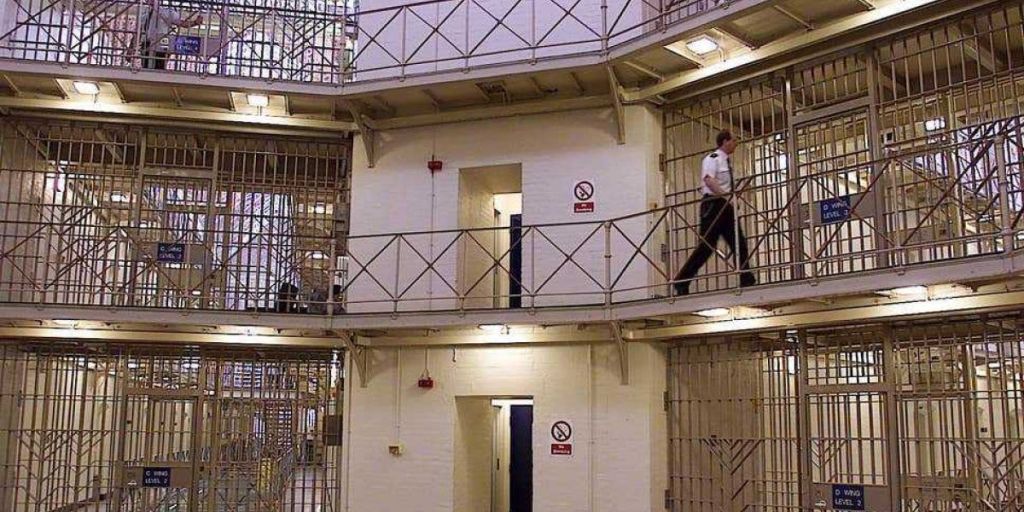
The government are set to put measures into place to fix the criminal justice system and overcrowding in prisons across the UK.
In a post published earlier, the Ministry Of Justice said,
“Anyone released will be strictly monitored on licence by the Probation Service through measures which can include electronic tagging and curfews. They face being recalled to prison if they breach their licence conditions.
The new rules will also not apply to most serious offenders, who already either spend two-thirds of their sentence behind bars or have their release determined by the Parole Board.
The Lord Chancellor will set out that the government had no choice but to take this decision.
Shabana Mahmood said:
There is now only one way to avert disaster. I do not choose to do this because I want to…. but we are taking every protection that is available to us… let me be clear, this is an emergency measure. This is not a permanent change. I am unapologetic in my belief that criminals must be punished.
The changes announced today will come into force in September, giving the Prison and Probation Service time to plan for offenders’ release.
The Lord Chancellor also outlined the government’s promise of transparency with a commitment to providing detailed and regular publications of releases under the changes to standard determinate sentences.
In an acknowledgement of the impact on the Probation Service, Ms Mahmood’s first visit as Lord Chancellor was to Bedford Probation Office where she spoke with frontline staff to hear about the challenges they were facing.
Acknowledging these challenges, the Lord Chancellor has also set out plans to recruit over 1,000 additional trainee probation officers by March 2025, allowing for greater oversight and management of offenders once they leave prisons.
During her speech, the Lord Chancellor reiterated her commitment to tackling the prison crisis for the long term. This included clear plans on how prisons can be built quicker by unblocking the planning system and enacting wider system reform and a 10-year capacity strategy will also be published in the Autumn, in line with the Spending Review timeline.
An Annual Statement on prison capacity will also be published every year, making sure the government is being held to account and must always have the prison places to keep dangerous offenders off the streets. This will make sure the public will never face the situation it is in today again.
Shabana Mahmood concluded in her speech:
The measures I have set out are not a silver bullet but they will give us the time we need to address the prisons crisis, not just today but for years to come.
That means continuing the prison building programme. And only by driving down reoffending will we ever find a sustainable solution to the prisons crisis.
Background information
– The changes to the release point for offenders on standard determinate sentences will require secondary legislation to be voted on by Parliament and could come into force in September.
– It will apply to those already in prison and past the 40% point in their sentence when this comes into force, with the first releases happening in September.
– The majority of prisoners serve Standard Determinate Sentences (SDS) which involves automatic release at a given point. These sentences are available for most crimes.
– Other types of custodial sentence, such as life sentences or extended sentences are used for dangerous offenders where their release before the end of their sentence must be approved by the Parole Board following a detailed risk assessment.
 G2K INCIDENT WATCH